
Adams Golf — Rescues
Adams Golf Rescues: Built for Recreational Golfers Who Refuse to Give Up on Long Shots
Since 1991, Adams Golf has focused exclusively on helping recreational golfers overcome the most frustrating shots in the game. Founded by Barney Adams in Plano, Texas, the brand recognized that weekend players and high handicappers deserved equipment engineered specifically for their swing characteristics and playing conditions. The result is a lineup of rescue clubs that transform impossible long iron shots into confidence-building successes.
The brand's mission centers on designing innovative, forgiving golf clubs that help players hit better shots from any lie on the course. This dedication resonates particularly with senior golfers and mid to high handicappers who struggle with traditional long irons. Rather than expecting players to adapt to equipment designed for tour professionals, Adams Golf engineering adapts to the needs of everyday golfers seeking genuine game improvement.
Every rescue club in the collection reflects decades of research into recreational golfer swing patterns. Lower swing speeds, inconsistent contact points, and challenging course conditions all factor into the design philosophy. The brand continues to push boundaries with technologies like the signature Tight Lies system, delivering hybrid clubs that inspire confidence rather than anxiety when facing those critical 180-yard approach shots.
From Driver to Putter: A Complete Game Improvement System
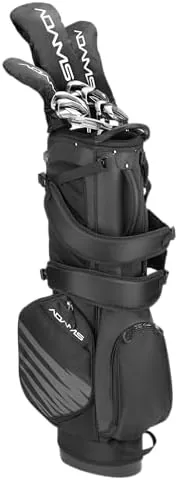
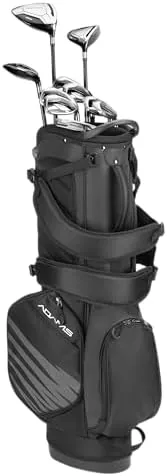
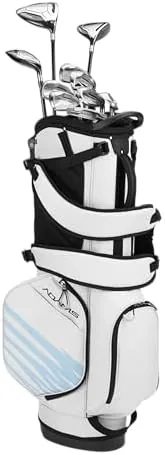
The Adams Golf lineup extends far beyond individual rescue clubs, offering complete equipment solutions for golfers ready to transform their entire bag. The brand's package sets combine titanium drivers, fairway woods, hybrids, irons, and putters into cohesive systems where every club works together harmoniously. This integrated approach ensures consistent feel and performance from the first tee shot to the final putt.
Hybrid rescue clubs form the cornerstone of the collection, replacing difficult-to-hit 3, 4, and 5 irons with forgiving alternatives that deliver higher launch angles and improved consistency. These clubs feature the low-profile designs that made the brand famous, sitting flush to the ground for clean contact from tight lies, deep rough, and everything in between.
Complete sets like the Adams Golf New Idea Package cater to golfers who want a full bag upgrade without the complexity of mixing and matching equipment from multiple manufacturers. Steel shaft options provide stability and control for players who prefer the connected feel of metal, while graphite alternatives optimize distance and trajectory for those with moderate swing speeds.
The Tri-Sole Revolution: Engineering That Changed Hybrid Golf Forever
The Tight Lies Tri-Sole design represents the single most significant innovation in hybrid club engineering over the past three decades. Unlike conventional rounded soles that dig into turf or bounce unpredictably off firm ground, the trapezoidal shape minimizes turf contact at every point during the swing arc. This allows the clubhead to glide through grass rather than fighting against it, maintaining speed and accuracy through impact.
Velocity Slot Technology works in concert with the Tri-Sole foundation to maximize ball speed across the entire hitting surface. Traditional club faces lose significant energy on off-center strikes, punishing the mishits that recreational golfers experience regularly. The slot positioned behind the face allows it to flex more efficiently at impact, preserving ball speed even when contact occurs toward the heel or toe regions.
Low center of gravity positioning completes the engineering trinity, delivering the high launch angles that recreational players need for successful approach shots. When the mass sits lower in the clubhead, the ball naturally launches on a steeper trajectory without requiring perfect technique. This design choice directly addresses one of the biggest challenges facing mid to high handicappers: getting the ball airborne consistently from various lies.
Extended Face Technology expands the effective hitting area by 14 percent compared to standard hybrid designs. This larger sweet spot provides genuine forgiveness, not just marketing language. Off-center hits that would curve offline or lose significant distance with other clubs stay straighter and fly farther, building the confidence golfers need to commit fully to their swings.
Adams Golf Rescues Key Features: Velocity Slot and Forgiveness Technology Explained
- Velocity Slot Technology A precision-milled slot behind the face creates controlled flexion at impact, maintaining ball speed on mishits and increasing overall distance consistency across the entire hitting surface.
- Tight Lies Tri-Sole Design The signature trapezoidal sole shape reduces turf drag dramatically, enabling clean contact from tight fairway lies, hardpan, thin rough, and challenging divot situations.
- Low Center of Gravity Strategic mass positioning delivers higher launch angles without requiring swing changes, helping recreational golfers achieve the ball flight needed for soft landing approach shots.
- Extended Face Technology A 14 percent larger hitting area expands the forgiveness zone, keeping offline hits straighter and preserving distance when contact misses the center.
- Ultra-Light Graphite Shafts Optimized shaft weight and flex profiles maximize swing speed for players with moderate tempo, adding distance while maintaining control throughout the swing.
- Low-Profile Head Shape Reduced crown height positions the club closer to the ground at address, creating visual confidence and improving contact consistency from any lie condition.
The New Idea Package: Why Complete Sets Continue to Dominate Sales
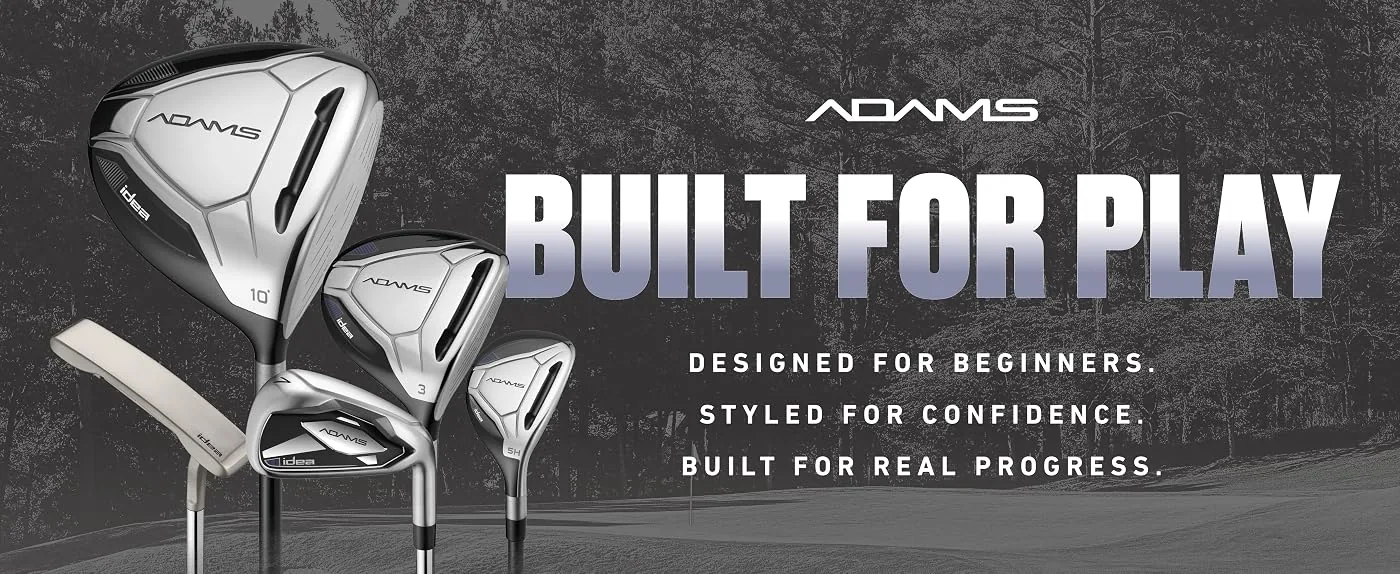
The Adams Golf New Idea Package Set remains the brand's flagship offering for golfers seeking comprehensive equipment upgrades. This 10-piece collection delivers everything needed to play complete rounds without compromise, anchored by a 6-4 titanium driver that combines lightweight construction with genuine power. The titanium material provides the ideal strength-to-weight ratio for maximizing swing speed and distance off the tee.
Right-handed men gravitate toward this set because it eliminates the guesswork from equipment selection. Each club in the package coordinates with the others in terms of swing weight, shaft progression, and overall feel. The steel shaft option provides the stability that many recreational players prefer, delivering consistent feedback and control through impact without sacrificing forgiveness.
Package set buyers appreciate the value proposition beyond just cost savings. Rather than assembling a hodgepodge bag from clearance bins and used club racks, they receive equipment designed from the ground up to work together. The hybrids in this collection feature the same Tight Lies technology found in standalone rescue clubs, bridging the gap between fairway woods and irons seamlessly.
6-4 Titanium, Steel Shafts, and Proprietary Alloys: Inside the Construction
Material selection drives performance in rescue club design, and the engineering team employs aerospace-grade components throughout the product line. The 6-4 titanium alloy used in driver construction delivers exceptional strength while maintaining the ultra-light weight necessary for generating clubhead speed. This titanium grade contains 6 percent aluminum and 4 percent vanadium, creating a material that resists deformation while flexing efficiently at impact.
Steel shafts in the package sets utilize high-strength alloys specifically calibrated for recreational player swing characteristics. Unlike tour-grade steel designed for players generating extreme clubhead speeds, these shafts optimize energy transfer at moderate velocities. The weight and flex profiles promote consistent timing through impact, reducing the variability that plagues many amateur swings.
Hybrid clubhead construction combines multiple materials strategically positioned to lower center of gravity while maximizing face flex. The crown sections use lighter alloys than the sole components, shifting mass toward the bottom of the head where it delivers the most benefit. Face materials undergo precise heat treatment processes that optimize hardness and elasticity for improved ball speed.
Grip compounds round out the material equation with compounds designed for all-weather performance. Moisture-wicking surface textures maintain traction in humid conditions, while the overall diameter accommodates golfers who prefer standard sizing without requiring aftermarket modifications.
From Tight Fairways to Deep Rough: Consistent Results Across Every Condition
Performance testing across thousands of recreational golfer swings reveals consistent improvements in contact quality, launch angle, and overall distance when switching from long irons to these rescue clubs. The Tri-Sole design delivers on its promise of improved playability from tight lies, allowing the clubhead to slide through thin turf without grabbing or bouncing. Players report measurable gains in confidence when facing shots that previously caused anxiety.
Deep rough situations showcase the engineering advantages most dramatically. Where conventional hybrids and fairway woods tend to twist through thick grass, the low-profile head shape and optimized mass distribution maintain stability. The club continues moving toward the target even when grass wraps around the hosel, reducing the offline misses that turn recovery shots into penalty strokes.
Durability assessments confirm that performance remains consistent over extended use periods. Face treatments resist the micro-scratching that degrades ball speed over time, while sole coatings withstand repeated turf impacts without significant wear. Golfers playing 50 rounds annually report no meaningful performance degradation after multiple seasons, validating the quality standards embedded in manufacturing processes.
Comfort factors contribute to real-world performance through reduced fatigue over 18-hole rounds. The ultra-light graphite shaft options minimize strain on joints and muscles, particularly for senior golfers managing physical limitations. Less fatigue translates to better swings on the back nine when rounds are decided.
Getting Maximum Performance from Your Adams Golf Rescue Clubs
- Ball Position Place the ball slightly forward of center in your stance, roughly aligned with your left ear for right-handed players. This positioning promotes the ascending strike angle that launches the ball on optimal trajectories.
- Swing Tempo Maintain smooth, controlled tempo rather than swinging aggressively. The clubs generate distance through efficient energy transfer, not raw speed. Rushing the downswing compromises contact quality.
- Turf Interaction Let the sole design work for you by sweeping through the ball rather than taking deep divots. The Tri-Sole glides best when you maintain a shallow attack angle that brushes the grass.
- Grip Pressure Hold the club with moderate grip pressure throughout the swing. Tension in the hands transfers to the arms and shoulders, restricting the natural release that squares the face at impact.
- Club Storage Use headcovers during transport and storage to protect the crown finish and face treatment. Store clubs in temperature-controlled environments to prevent grip deterioration.
- Cleaning Protocol Wipe faces and grooves after each round using a damp cloth. Clean grooves with a soft brush to remove debris that affects spin rates. Avoid abrasive cleaners that damage surface treatments.
Finding Your Perfect Fit: Shaft Flex, Length, and Lie Angle Considerations
Shaft flex selection significantly impacts shot trajectory and dispersion patterns. Players with slower swing speeds benefit from regular or senior flex options that load properly during the downswing, storing energy for release at impact. Stiffer shafts require faster swing speeds to flex adequately; using too stiff a shaft reduces distance and promotes lower ball flights that struggle to hold greens.
Standard club lengths in the rescue lineup accommodate golfers between 5'7" and 6'1" without modification. Players outside this range should consider custom fitting options to optimize swing plane and contact consistency. Clubs that are too long promote heel contact and pulls, while short clubs cause toe strikes and pushes. A half-inch adjustment in either direction can dramatically improve dispersion.
Lie angle affects shot direction more than most golfers realize. Standard lie angles suit players with conventional address postures and standard arm lengths. Golfers who stand closer to the ball or have longer arms may need upright adjustments, while those who reach for the ball may benefit from flatter settings. Professional fitting sessions reveal optimal specifications through impact tape analysis and launch monitor data.
The Ideal Choice for Senior Players and Game Improvement Seekers
Senior golfers represent the primary beneficiary group for these rescue clubs, and the design decisions reflect extensive research into the playing characteristics of this demographic. As swing speeds naturally decrease with age, the need for equipment that maximizes efficiency becomes paramount. Every yard recovered through technology helps offset physical changes that affect distance capabilities.
Mid to high handicappers regardless of age find substantial benefits in the forgiveness-first design philosophy. Players shooting between 90 and 110 typically struggle most with long irons, facing a difficult combination of low clubhead speeds and inconsistent contact. Replacing 3, 4, and 5 irons with equivalent rescue clubs immediately improves approach shot success rates.
Golfers returning to the game after extended breaks discover that modern hybrid technology bears little resemblance to the equipment they remember. The learning curve shortens dramatically when using clubs designed to compensate for imperfect technique rather than exposing every swing flaw. This accessibility encourages continued play and accelerates skill recovery.
Selecting the Right Rescues: Loft Gapping and Set Composition Strategy
Building an effective rescue club setup requires attention to loft gapping, the degree difference between each club that determines distance intervals. Standard gapping of 3 to 4 degrees between sequential clubs creates predictable distance gaps, typically 10 to 15 yards depending on swing speed. Overlapping lofts create redundancy while excessive gaps leave awkward yardages uncovered.
Most recreational golfers benefit from carrying two to three rescue clubs that replace long irons completely. A typical configuration includes a 19-degree hybrid replacing the 3-iron, a 22-degree replacing the 4-iron, and a 25-degree replacing the 5-iron. This setup provides coverage from approximately 160 to 200 yards for moderate swing speed players.
Complete package sets like the adams idea golf set already incorporate optimal loft progression throughout the bag. These integrated solutions eliminate gapping concerns by engineering each club as part of a system rather than as standalone equipment. Players who purchase individual rescue clubs should chart their current distance gaps and select lofts that fill holes in their coverage.
Consider your course conditions when selecting rescue specifications. Players competing on tight, firm layouts may prefer lower-lofted options that produce penetrating ball flights and additional roll. Those playing softer courses with elevated greens benefit from higher lofts that land the ball softly with minimal runout.
Adams Golf Rescues vs. Competing Brands: Performance Comparison
| Feature | Adams Golf | Callaway Paradym | TaylorMade Stealth |
|---|---|---|---|
| Forgiveness Technology | Velocity Slot + Extended Face (14% larger) | Jailbreak Speed Frame | V Steel Design |
| Sole Design | Tri-Sole Trapezoidal Shape | Standard Rounded Sole | V-Shaped Steel Sole |
| Target Player | Mid-High Handicaps, Seniors | Mid-Low Handicaps | Mid Handicaps |
| Launch Profile | High Launch, Easy Elevation | Mid-High Launch | Mid Launch |
| Price Point | Value-Oriented | Premium Pricing | Premium Pricing |
| Tight Lie Performance | Excellent (Signature Feature) | Good | Good |
| Shaft Options | Steel and Ultra-Light Graphite | Multiple Aftermarket | Multiple Aftermarket |
| Package Set Availability | Complete Sets Available | Individual Clubs Only | Individual Clubs Only |
Comparison based on manufacturer specifications and independent testing with recreational golfer swing profiles.
Keeping Your Equipment Tournament-Ready: Cleaning and Storage Protocols
After Every Round
- Wipe clubfaces with a damp towel to remove grass and dirt
- Clean grooves using a soft-bristle brush or groove cleaning tool
- Dry all metal surfaces before returning to bag
- Check grips for debris and wipe with damp cloth if needed
Monthly Maintenance
- Deep clean faces using warm water and mild dish soap
- Inspect shaft connections for loosening or damage
- Check grips for wear patterns and hardening
- Apply protective coating to sole surfaces if scuffing appears
- Store in climate-controlled space away from extreme temperatures